The Dutch Shepherd is the kind of dog that makes people stop and stare. The brindle coat is beautiful. The alert posture is impossible to ignore. The confidence they carry is something you feel right away. Many people see the coat first, then notice the strong build, then realize this breed has an intensity that sets them apart. That intensity can be a gift for the right home. It can also surprise anyone who is not prepared for a high energy dog with a serious work ethic.
If you have been thinking about bringing a Dutch Shepherd puppy into your life, this guide will help you understand what to expect. We'll share everything you need to know about how the Dutch Shepherd lives, learns, works, and rests. Once you know that, you can decide if this breed fits your home, time, and lifestyle.
Dutch Shepherd Dog: A Versatile Working Dog With Serious Drive

The Dutch Shepherd started on farms in the Netherlands. Farmers needed a dog who could take on anything the day required. They wanted a dog who herded livestock in the morning and kept watch at night. They also needed a dog who could adjust to new tasks without hesitation. That history shaped the breed in a strong way. A Dutch Shepherd is packed with intelligence and grit because the farmers who created them relied on those qualities.
This history helps explain why Dutch breeds different from many other dogs. The breed has been compared to the German Shepherd and the Belgian Malinois, but Dutch Shepherds tend to be more flexible in their work style. Many owners love that. Others feel overwhelmed until they understand what the breed needs to stay balanced.
What the Dutch Shepherd Looks Like
Most Dutch Shepherds fall between 55 and 75 pounds. They carry strong muscle and a solid frame. They move with quick steps that show how athletic they are. These dogs were built for long days outdoors, so endurance shows in every part of their body.
Their coats come in three main types. Short hair, long hair, and rough hair. Short hair coats feel sleek and easy to manage. Long haired Dutch Shepherds have soft coats with a woolly undercoat that feels luxurious. Rough haired coats look tousled and textured. All three types have the familiar brindle pattern. It is the coat pattern people associate with this breed. You will see gold brindle, silver brindle, and sometimes a deeper chestnut red. Most dogs have a natural black mask. When you see one in person, you understand why people fall for this look so quickly.
The ears stand tall. The eyes observe everything. The body stays ready for movement. Even when they rest, Dutch Shepherds keep that alert posture. They feel fully present in every moment, and that presence is part of their charm.
Temperament and Personality
The Dutch Shepherd breed is known for intelligence. Not just regular intelligence—this is a dog that solves problems with curiosity and confidence. They learn fast. They also learn things you did not plan to teach. If you think they won't figure out how to get through that back gate, think again. If you assume they'll ignore the bag of treats on the counter, think again. A Dutch Shepherd watches every pattern and stores it.
This intelligence is exciting for the right owner. You can teach advanced tasks and build impressive training habits. You can see growth from week to week. The breed responds well when you offer structure and guidance. The challenge, though, is consistency. If you allow a behavior once, your dog might assume that it applies forever.
Dutch Shepherds show loyalty in a very deep way. They bond tightly with their families. Once they feel at home, they become steady guardians. Not aggressive by default, but alert and aware. They read situations quickly and step in when they believe help is needed. When you combine that protective instinct with high intelligence, you get a dog that feels like a true partner.
The flip side of that loyalty is intensity. A Dutch Shepherd needs an outlet for energy and thought. Without that, the breed can act out. Chewing becomes a coping strategy. Escaping becomes a challenge. Barking becomes a way to release pent up energy. None of these behaviors happen out of spite—they happen when a brilliant, athletic dog feels under-stimulated.
Training a Dutch Shepherd
A Dutch Shepherd thrives when life feels clear and predictable. They handle new environments better when they understand your expectations. Early socialization prepares them for new people, dogs, and situations and helps them stay calmer as adults.
They respond well to ongoing instruction. Not rigid training, but engaging training. They enjoy movement paired with tasks. Many owners use agility, obedience training, scent detection, weight pull, protection sports, or lure coursing to keep their dogs focused. These activities create structure and give them a healthy outlet for their mind and body.
Regular walks will not meet the needs of this high energy dog. They need time to run and activities that challenge their brain. They also need time with their owners because the bond matters deeply. Training continues throughout their life, and many owners enjoy that routine.
A Dutch Shepherd will also try to make their own decisions. Sometimes those choices make sense. Other times they do not. Consistent boundaries help them understand when to take initiative and when to pause. If you enjoy training and feel energized by a sharp dog, you will connect deeply with this breed.
Mental Stimulation and Emotional Balance
A Dutch Shepherd does not thrive without mental stimulation. They handle boredom worse than many breeds. When their routine stays too quiet, stress builds. This stress shows up through pacing, chewing, whining, or restlessness. They try to work through their energy but do not always choose the safest outlet.
Mental enrichment can come from simple tools. Puzzle feeders, scent games, tracking challenges, and fun training sessions can help. Even short sessions support emotional regulation. These sessions remind the dog that you are present and engaged. They also remind the dog that thinking can be rewarding.
Some Dutch Shepherds develop anxiety when routines shift too often or when they spend long hours alone. Supplements can help soften that emotional pressure. Many owners use calming support on days that feel unpredictable. If you want something gentle for your dog, the K9 Calm Anxiety Chews can help with stressful moments.
A Dutch Shepherd's Grooming Needs, Health, and Physical Care
Dutch Shepherds are healthy in many ways, but they are still a working breed with predictable risks. Hip dysplasia remains the most common concern. Elbow issues are possible as well. Active dogs place pressure on joints. Strong genetics help, but supportive care matters too.
Some Dutch Shepherds experience digestive sensitivities or thyroid imbalance. A few lines have been affected by inflammatory myopathy. This is a condition linked to progressive weakness. These issues show why responsible breeding matters. It also shows why consistent vet care is important.
Their coat care depends on the type. Short hair Dutch Shepherds need brushing to reduce shedding. Long haired dogs need routine brushing to prevent tangles. Rough haired coats benefit from hand stripped grooming. All types shed more during spring and fall. A simple brush can support skin health and coat texture.
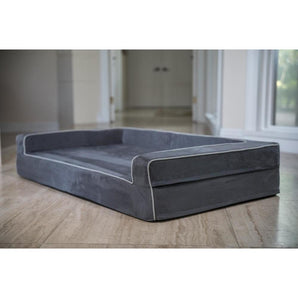
Since the Dutch Shepherd is an athletic dog, they rely on quality rest just as much as quality exercise. Their joints take impact during training sessions. Thick grass can only do so much. Hard floors can slow recovery. A supportive dog bed protects the hips, elbows, and spine. That support also helps older dogs who start to feel stiffness. If you want a bed that keeps their joints cushioned, the Bully Bed orthopedic dog bed is a strong option.
Preparing Your Home for a Dutch Shepherd Dog
Before you bring home a Dutch Shepherd, take a moment to look at your home and daily routine. This breed needs room to move, and while a yard is helpful, a large fenced space gives them the freedom they crave while keeping them safe. Dutch Shepherds are clever and determined, so unsecured gaps or low fencing can turn into quick escape routes. Make sure your space is secure before your new dog begins exploring.
Chewing shows up a lot in this breed, partly because they explore the world with their mouths and partly because it helps them release tension. It helps to pick gear that can handle heavy use, especially during the early stages of training. If you want a bed that stands up to a determined chewer, the Bully Beds Chew Proof Dog Bed is a solid choice.
Dutch Shepherds can live with other dogs and other animals, but the right match makes a big difference. Confident pets often do well with them because Dutch Shepherds bring a lot of energy into play and read body language faster than many breeds. Supervised introductions help everyone settle in. Once they bond, they enjoy being part of a little team.
You should also take an honest look at your own routine. This breed does not do well without interaction. They want to be part of your day. They want activities, structure, and time near their people. If your home can offer that connection, you will likely experience a very special and rewarding relationship.
Final Thoughts Before You Decide
A Dutch Shepherd can feel life changing in the best way. Their loyalty runs deep, their intelligence shows up in everything they do, and their energy often motivates their owners to get moving too. They do need consistent support though, which means regular physical exercise, steady mental stimulation, and quality rest on bedding that protects their joints and helps them recover.
When those needs are met, the Dutch Shepherd becomes a remarkable partner. They work with you, learn with you, and grow alongside you. The bond feels incredibly rewarding, and the effort you invest comes back through the devotion and strength they carry through each life stage.