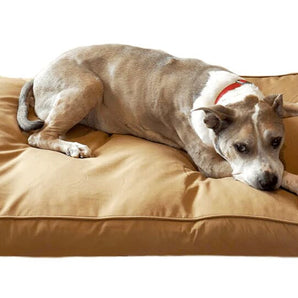
Warm days can be fun and healthy for dogs and owners alike. They represent an opportunity to enjoy fresh air, exercise, and companionship. But too much time in the sun or any hot environment can be extremely dangerous to a furry friend. When dogs overheat, they may suffer heat exhaustion or heat stroke, which can lead to major complications, including organ damage. That is why it is critical to know and watch for signs a dog is overheating to prevent or treat these conditions before they become life-threatening issues.
Recognizing Signs Your Dog is Overheating
While humans sweat to combat excess body heat, dogs pant instead. Panting is normal and helps dogs cool down and regulate body temperature, but excessive panting can be indicative of a serious problem. While taking in outdoor activity on a hot day with your dog, monitor your dog’s breathing and be sure to pay close attention for severe symptoms like heavy panting, labored breathing, or a rapid heartbeat.
In addition, keep an eye on your dog’s mouth on humid days. It is good for more than just munching on treats and playing with chew toys, as a dog’s mouth can also show easy-to-recognize signs of overheating.
Like panting, many dogs drool normally to regulate their body temperature, but a dog may experience excessive drooling when exposed to high heat. A dog’s gums may also provide telltale signs of overheating, as bright red gums can result from blood rushing to the gums in an attempt to cool down, while pale gums might indicate reduced blood circulation.
What Dogs are Most at Risk of Overheating?
In fact, some dog breeds are significantly more at risk than others of experiencing overheating symptoms when temperatures rise. Brachycephalic dogs, ones with short snouts, tend to be more sensitive to high temperatures and humidity, overheating easily. Dogs with double coats can experience significant heat stress when faced with hot weather, too. While a dog’s coat is designed to provide insulation from heat and cold, double-coated dogs are at increased risk of overheating. Dogs with dark colored coats can also be vulnerable to overheating, as dark colors absorb the sun’s heat faster. For these dogs, it is especially important to be able to recognize signs a dog is overheating.
In general, a dog’s condition can be a major factor in their risk level. Overweight dogs should be carefully monitored in hot conditions, as extra layers of fat can serve as insulation, which can trap heat in the body and quickly lead to overheating. Older dogs or dogs with respiratory problems also tend to overheat easily, as it can be challenging for their bodies to regulate temperature and handle effects of the heat.
How to Prevent Overheating in Dogs

The best way to keep your beloved pet from suffering the effects overheating is by being cognizant of your dog’s body temperature in all environments. Outside enjoying some fun in the sun with your pup? Have cold water on hand at all times for them to drink to keep them cool and hydrated while still watching for signs a dog is overheating.
If you plan to lounge outside for an extended period, try to find a shaded area where your dog can rest when they are not running around or playing. Plus, a shaded area can reduce the stress on their paws, which can be damaged by hot pavement.
The Perils of a Parked Car for Dogs
While getting out of the house and hitting the road can be a great way to spend the day with your dog, it can turn very dangerous very quickly. Any stop along your route that forces you to leave your dog in the car, however briefly, represents a major risk. Even with cracked windows, a parked car on a hot day can reach deadly temperatures in mere minutes. If you are going somewhere that would necessitate leaving your dog in a parked car for any amount of time, keep them safe and leave them at home.
Taking Action When Your Dog is Overheating
If you are recognizing signs a dog is overheating, it is crucial to take prompt action. Immediately take your dog to a cooler environment, such as a shaded area or air conditioned room. A cool place can help get your dog’s temperature back to a healthy level. Give your dog sips of cool water to get them rehydrated and apply cool, wet towels to their paws, armpits, and groin. Ensure the water is cool, not cold. Ice water may seem like the sensible choice for an overheated dog, but it can cause constriction of blood vessels, trapping heat in the body, which can be incredibly dangerous as a dog’s body temperature rises.
After going through these steps, you should still seek veterinary care, even if your dog is behaving normally. Act quickly to get your dog to your veterinarian or an emergency clinic in case their overheating episode has caused any organ damage. Providing emergency care may seem overly cautious, but it could save your dog’s life.
Keeping Your Dog Cool at Home
While hot weather outside and exposure to the sun present obvious risk of overheating to dogs, your pet can feel adverse effects from the heat at home, too. Be sure to provide access to fresh water so your pup can stay hydrated. Utilize air conditioning to maintain a cool environment for your dog even when you are not home. Try to keep them away from the hottest parts of your home, such as rooms that are poorly insulated or areas that receive a lot of sunlight, as air conditioning may not be enough to keep your dog’s temperature at a healthy level in these areas.
Finding the Right Bed to Keep Your Dog Cool

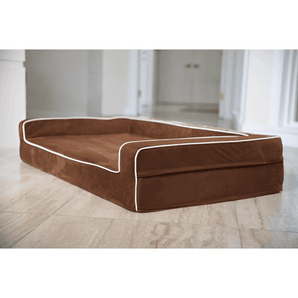
Proper bedding is another great way to keep your dog comfortable and safe. Most dog beds are filled with polyester that can serve as an insulator that traps body heat, but our flagship Orthopedic Original Bully Bed is made with a specialized memory foam base. This state-of-the-art material conforms to your dog’s body, facilitating more effective heat dissipation than standard dog beds while providing the unmatched comfort your dog deserves.
Summer Safety Strategies to Reduce Dog Overheating Risks
It can be tempting to enjoy quality time out in the summer sun with your four-legged friend, but the safest option will always be limiting your dog’s exposure to the outdoors during the hottest parts of the day. Try to schedule walks with your dog early in the morning or later at night when it is cooler and avoid taking your dog out on hot pavement. As a general rule of thumb, pavement is cool enough for your dog’s paws if you can touch it with your hand for five seconds.
Heavy dog breeds are more vulnerable to overheating in the summer, and they need a place to rest that can support their weight without trapping their heat. For these dogs, we recommend our Chew Proof Dog Bed (with a 200 Day Guarantee). Featuring Kevlar-reinforced seams, heavy-duty Velcro closures, and a BullyTuf™ cover to prevent damage from aggressive chewers, this bed is incredibly durable while still offering a memory foam base for exceptional comfort and cooling.
Keeping Your Senior Dog Cool at Home

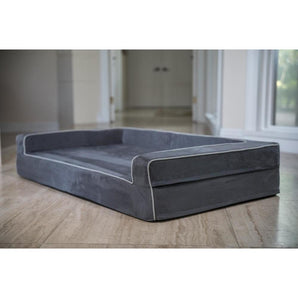
It is no secret that older dogs sometimes need a little extra support to keep them comfortable at home, especially if they are suffering from joint pain, arthritis, or other mobility issues. The best bed for these dogs is one that prioritizes airflow and stability, and for that, we suggest our Orthopedic 3 Sided Dog Bed With Bolsters. Its durable support foam and raised edge are designed for ideal weight distribution to reduce pain and allow for maximum temperature control, keeping your dog cozy and cool while they rest.
Watch for the Signs, Know What to Do, Be Proactive
It is important for a pet parent to enjoy warm weather and sunny days with their pup, but it is even more important to protect that pup by knowing the symptoms of overheating. Look out for heavy panting, excessive drooling, bright red gums, or other abnormal behavior. If your dog is exhibiting the signs of overheating, take immediate action by taking them to a shaded area or room with air conditioning, use cool, wet towels to lower their body temperature, and feed them small sips of cool water. Then, get them veterinary care to check for potential organ damage.
Prevention is the Best Protection
Of course, the best way to protect your dog from the dangers of overheating is by preventing them from overheating at all. While it is vital to recognize the signs a dog is overheating, providing a space for them to stay cool and rest up is a great way to keep them safe. Our Bully Beds are here to help, with options designed for dogs of all sizes and ages, each boasting specialized memory foam to help regulate temperature. Upgrade your dog’s rest with Bully Beds for peace of mind you will love and the comfort that they deserve.