Teething is a natural process where a puppy's baby teeth are replaced by permanent adult teeth, usually beginning around three weeks and finished by six-to-seven months. Many pet parents find it challenging to deal with their puppy's chewing, biting, drooling, and sore gums, but it's a normal step and easily manageable with the right plan in place.
Teething is a natural process where a puppy's baby teeth are replaced by permanent adult teeth, usually beginning around three weeks and finished by six-to-seven months. Many pet parents find it challenging to deal with their puppy's chewing, biting, drooling, and sore gums, but it's a normal step and easily manageable with the right plan in place.
Introducing a new puppy to your home is an exciting, joyous time, but it can also come with instances that have every pet owner asking "How long do puppies teethe?"
When teething, you may notice your puppy biting everything they can find, including blankets, laundry, furniture, shoes, and even your fingers. While it's undoubtedly unpleasant and painful, it's also completely normal. When putting together your New Puppy Checklist: Everything You May Need, it's important to know what to do and expect when puppies start teething.
We're here to assist with our puppy teething survival guide, full of helpful information you need to get through the puppy teething phase, including the timeline, symptoms to watch for, methods to help soothe sore gums, and when you should call the vet.
Please note: This article is meant to be informational and is not a substitute for professional veterinary advice.
How Long Do Puppies Teethe?
Most puppies start teething around three weeks of age and finish when they are around six or seven months old. Like human babies, puppies have baby teeth grow in, then lose them over time and see them replaced by permanent adult teeth. For puppies though, the teething process happens early in life and much more quickly. The exact timing can vary slightly based on breed and size.
What Happens During the Puppy Teething Process?
The puppy teething timeline involves a puppy's baby teeth growing in, those teeth falling out, and then a full set of adult teeth growing in. Here's an idea of what to expect throughout the process:
|
Age |
What’s Happening |
|
~3 Weeks |
Baby/Deciduous Teeth Begin to Come In |
|
~6 Weeks |
Full Set of 28 Baby Teeth Are In |
|
~12-16 Weeks |
|
|
~6 Months |
Full Set of 42 Adult Teeth Are In |
Interestingly, puppies only have 28 baby teeth, also known as deciduous teeth or milk teeth, but that number grows to 42 for adult teeth. Baby teeth are small and often razor sharp, while adult teeth are much bigger and stronger, meant to last the rest of a dog's life.
It's worth noting that when puppies lose their baby teeth, they often don't notice and end up swallowing them. Don't worry. This is usually harmless.
What Are the Signs and Symptoms of a Teething Puppy?
The teething process is uncomfortable and often a bit painful for puppies, so you may notice some physical and behavioral changes as they start to grow and lose their puppy teeth. Some symptoms to watch for include:
Puppy Teething Symptoms
-
Increased chewing
-
Sore or inflamed gums
-
Drooling
-
Mild bleeding gums
-
Small spots of blood on chew toys
-
Biting or nipping
-
Slight appetite changes
-
Bad breath
These tend to be normal teething signs, but if you notice more intense teething symptoms, like excess blood or a puppy's pain becoming consistent or overwhelming, be sure to contact your vet immediately to check for any serious issues and get your dog the help it needs.
How Can You Soothe a Teething Puppy's Sore Gums?

There are several methods you can utilize to provide comfort to your pup while they endure the teething process. Since the answer to the question “How long do puppies teethe?” is about six months, it’s best to stock up on these products and methods ahead of time.
Please note: These methods are general comfort measures, not medical remedies.
Teething Toys
Puppy-friendly teething toys and soft rubber toys are a great way to make your pup more comfortable during teething, as they give them a safe, appropriate avenue to chew and are often specifically designed to help in developing teeth. Make sure you don't give them anything too hard that could hurt their tiny teeth.
Cold or Frozen Items
Cold can help soothe gum inflammation that comes with the teething stage. Try using frozen, puppy-safe teething toys, ice cubes, or healthy frozen foods to provide your pup some relief.
Edible Teething Treats
Most pet stores carry edible puppy teething treats and edible teething sticks that both taste good and help soothe gums. These tasty treats let puppies play and stay occupied while providing some relief from the discomfort of teething pain.
Redirect Chewing
For the safety of your puppy (and your stuff), it's important to understand that you can't stop puppies from chewing while teething, but you can redirect those urges in a positive way. Visit your local pet store for puppy-safe chew toys that promote both healthy chewing habits and an understanding to keep away from your clothes, blankets, and shoes.
Chew Proof Your Home
For an extra layer of protection around the house, consider our All Natural No Chew Spray For Dogs. A safe, water-based formula with a bitter flavor, simply spray it on trouble areas where your dog likes to chew (like furniture or rugs) to deter them from biting.
Protect Your Dog's Rest Area
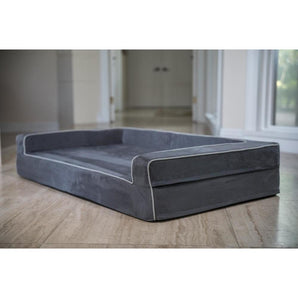
A puppy's bed is a common outlet for chewing since they spend so much time there and many beds are made with materials and constructions that are easy to chew and pull. Our Chew Proof Dog Bed (with a 200 Day Guarantee) is specially designed to withstand aggressive chewers thanks to Kevlar-reinforced seams and our proprietary BullyTuf™ cover material.
Here at Bully Beds, we often hear from new dog owners, especially those with bully breeds, who are struggling with their pup's chewing habits. Many times, the pup tears through a brand-new dog bed like it's a chew toy.
As frustrating as it may be, this is normal behavior that is to be expected with teething puppies. It's also why providing them with chew-resistant options and plenty of the best teething toys from the jump makes the process much easier for both puppy and pet parent.
Does Teething Cause Puppy Biting?
Teething is a very common cause of puppy biting, as puppies will often bite and chew as a way to self-soothe and relieve pressure from sore gums. Along with teething, play and exploration can also contribute to a puppy's biting and nipping.
To learn more about why puppies bite and advice on curbing that habit, check out our guide, How To Stop a Puppy from Biting: 9 Tips That Actually Work.
When Should You Worry About Puppy Teething?
Most puppies' teething phases are normal and uneventful, but it's worth knowing and keeping an eye out for signs that warrant a trip to the vet.
Puppy teething symptoms that constitute red flags include:
Retained Baby Teeth
Sometimes, a puppy's teeth stay in when other baby teeth fall out.
Excessive Gum Bleeding or Inflammation
Some bleeding and inflammation is to be expected during the teething phase, but a puppy's gums that are heavily bleeding or inflamed may indicate a problem that requires veterinary help.
Broken or Missing Teeth
If you notice broken teeth in a puppy's mouth or some adult teeth that aren't growing in or have fallen out, contact your vet right away.
Obvious and Ongoing Pain
It's normal for a puppy to deal with some discomfort and pain while teething, but if your puppy is in constant and/or serious pain, take them to the vet to rule out/address any more pressing issues.
Loss of Appetite/Refusing to Eat
You may observe slight appetite changes in your pup while they're teething. This is normal. A total loss of appetite or refusal to eat is dangerous and could be an indicator of something more serious.
Again, most minor symptoms are totally normal, but it's important to know what serious symptoms to look for so they can be addressed and avoid more significant issues. For example, retained baby teeth can cause crowding in a puppy's mouth, accumulating tartar and plaque buildup that can lead to periodontal disease. Contact your vet immediately if you notice any of these signs.
Everything to Expect When a Puppy Is Teething

How long do puppies teethe? In short, about six months.
A puppy typically starts teething around three weeks of age when baby teeth begin appearing. Soon after, they'll begin losing teeth to make room for a full set of adult teeth. Most puppies stop teething at about six or seven months.
During a puppy's dental development, you can expect increased biting and chewing as they deal with sore gums. You can help by providing them with the right dog toy, especially dog specific soft toys that help them self-soothe without damaging a puppy's developing teeth. Also, puppies enjoy tasty treats from the fridge or freezer, as the cold helps provide comfort to their inflamed gums.
Closely monitor your puppy's chewing, and if they turn to chewing clothes or blankets, redirect them to a safe, acceptable outlet, like a tasty chewy treat that promotes healthy teeth. Take steps to chew proof your dog's rest area with the right Dog Beds, including our Chew Proof Dog Bed (with a 200 Day Guarantee)
Most pet parents find that the weeks and months of a puppy's teething phase are enough to test your patience (and your furniture) and have you asking "How long do puppies teethe?" It's important to remember that it's all temporary. Arm yourself with the right teething remedies that can help provide relief to your dog's teeth, including teething toys and cold or frozen relief. And don't hesitate to call your vet if anything seems off.
With thorough preparation, the right mindset, and a little patience, you and your pup will come out the other side of the teething process just fine.