Biting is a normal, instinctive habit for puppies. Most pups do so to play and explore. It may be innocent, but it can turn into a destructive compulsion without proper intervention. Learn how to stop a puppy from biting by redirecting this habit through bite inhibition training, consistent reinforcement, and providing accessible avenues to bite and chew.
One minute, you’re reaching down to pet or play with your pup. Before you know it, you feel a pinch, and you’ve got teeth marks on your hand. To your puppy, it’s normal play, but to you, it hurts.
Puppy bites can be jarring for new dog owners, but they’re incredibly common, making it one of the most searched puppy behavior topics. Don’t worry. It’s not a sign of an aggressive personality. It’s just normal puppy mouthing and play, which can be nipped in the bud with the tips in this guide.
Why Do Puppies Bite?
Puppies are curious creatures and play biting and teething are natural ways puppies explore the world. There are three main reasons puppies are naturally inclined to bite.
-
Play Behavior: Light biting is normal when puppies rough play and interact with their littermates.
-
Teething: Puppies’ baby teeth growing in can cause sore gums, and chewing is a way to relieve pressure.
-
Learning: Before they join your family, puppies learn from their mother and littermates how much pressure is too much, which is known as bite inhibition.
Does Teething Cause Puppy Biting?
When puppies are three-to-six months old, their baby teeth fall out and adult teeth grow in, which is as known as teething, and it is a significant catalyst to puppy biting. Teething can cause sore gums, which compels your pup to chew to alleviate pressure.
How to Tell If Your Puppy is Teething

Increased whining, chewing more than usual, and bloody specks on their toys caused by loose baby teeth are signs that your puppy is teething. You can help them with cold chew toys, frozen treats, and puppy safe chews to alleviate some of their soreness.
While biting during teething is to be expected, be sure to monitor and address any problematic biting, as habits they form during the teething stage can be carried into adulthood.
When is Puppy Biting a Concern?
In most cases, a puppy biting is not aggressive or fearful behavior or a sign of a vicious personality. It’s normal for a puppy to bite lightly and mouth playfully as they learn and grow. Your goal should not be to stop your puppy from biting entirely, but rather to do so gently.
Biting accompanied by growling, stiff body language, or exhibiting anxious behavior are signs that it may be more than just natural curiosity and exploration. If you notice your puppy behaving like this, contact a certified professional dog trainer or certified applied animal behaviorist. They can determine the source of your dog’s negative behavior and help you take steps to correct it and avoid future aggression.
What is Bite Inhibition?
Bite inhibition is one of the most important things for a puppy to learn in the early stages of life, as it is a pup’s understanding of how much bite pressure causes pain and how to self-correct when they bite too hard. Proper bite inhibition training is a major step in your dog understanding when and how much biting is appropriate.
Are Certain Breeds More Prone to Biting?
Here at Bully Beds, we routinely hear from dog owners, especially bully breed owners, looking to find out how to stop a puppy from biting, concerned it could be a sign of an aggressive, dangerous dog. But the reality is that most puppies grow into well-adjusted, friendly canine companions. Bully breeds tend to be mouthy pups, and calm, consistent puppy bite inhibition training goes a long way towards demonstrating that.
How Do Dogs Learn Bite Inhibition?
Many puppies tend to learn bite inhibition organically during playtime with other puppies, as the puppies will playfully nip at one another, and if a bite is too hard, the other puppy will yelp and stop play. Of course, puppies don’t want the fun to stop, so the biting puppy learns that biting too hard stops play and is less inclined to do so again.
Why is Bite Inhibition Important?
Bite inhibition training is so crucial long-term because it makes it safer for the dog to be around friends, family, strangers, children, and the vet. Behaviorists and trainers believe puppies that haven’t learned bite inhibition are more prone to biting hard and breaking skin as adult dogs, even if they are doing so for a non-aggressive reason, like out of fear or pain.
Tips to Stop Your Puppy from Biting

Learning how to stop a puppy from biting involves recognizing and acknowledging their behavior and strategic intervention and responses. Here are some helpful tips:
-
Yelp and Stop Play: If your puppy bites too hard while you’re playing, let out a sharp yelp and stop the play session immediately. This mimics the response of another puppy during their formative, early playtime. Turn your back to the puppy, cross your arms, and keep still. After a few seconds, resume play. Repeat as often as necessary. Once your puppy understands that biting stops the fun, they’re much less likely to bite.
-
Utilize Timeouts: If the yelp method isn’t working and the puppy’s biting persists, calmly walk away and/or place them in a calm, neutral space like a Collapsible Aluminum Heavy Duty Dog Crate for 30-60 seconds. No need to yell or scold them. The sudden stop of fun should be enough to teach your puppy that they did something wrong.
-
Introduce a Chew Toy: As soon as your puppy puts teeth to skin, even if it’s just a playful nibble, calmly remove your hand from play and give your pup a chew toy or tug toy. Give them praise when they bite the toy instead, so they understand this is an appropriate outlet for their chewing. And never use your hand as a toy, even playfully. It establishes your hands as fair game for your pup to bite.
-
Safe Tug Play: Tug of war with a proper tug toy is a fun, effective way to satisfy a puppy’s desire to chew. Be sure to establish consistent rules. Your pup must release on cue, and any biting of your hand, even incidentally, ends the game immediately.
-
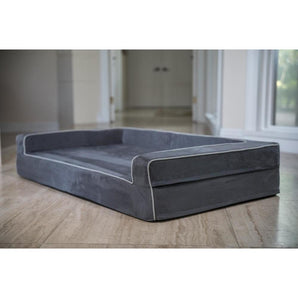
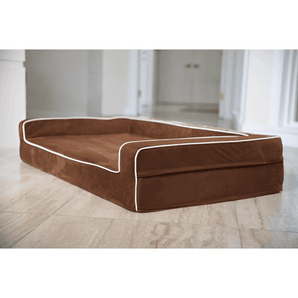
Monitor Puppy’s Tiredness: Puppy biting can result from a temper tantrum when they’re overtired or overstimulated. If you notice your pup exhibiting frantic energy and unfocused biting, calm them down with a potty break and some rest. Proper sleep can help prevent these negative behaviors brought on by tiredness. Give them the perfect place to rest with our Original Bully Bed Orthopedic Dog Bed.
-
Use Chew-Deterring Spray: Worried about your pup chewing surfaces or things they’re not supposed to while training, like furniture, cables, or clothing? Try our All Natural No Chew Spray For Dogs. This bitter spray harmlessly deters pups from mouthing on those surfaces.
-
Socialize with Other Puppies: Supervised play with other dogs is a great way for pups to naturally learn bite inhibition, as it mimics their earliest days playing with their littermates. If possible, enroll your furry friend in puppy classes so they can meet and learn from other pups.
-
Reward Calm Behavior: It’s just as important to reinforce good behavior as it is to correct the bad. Provide positive reinforcement when your puppy is playing without biting with verbal praise and treats so they can learn when they’re doing things right and continue to do so.
-
Consistency is Key: Don’t give your pup mixed messaging, as this can confuse them and stunt their progress. Make sure everyone in your household knows to respond the same way to both good and bad behavior.
What Not to Do When Your Puppy Bites
Don’t just study up on what to do when figuring out how to stop a puppy from biting. Make sure you know what not to do as well.
-
Don’t Yell or Punish Physically: Shouting, smacking, or tapping the nose can scare your pup and lead to future anxiety or aggression.
-
Don’t Use Your Hand as a Toy: This is a common mistake for pet parents. Don’t let your puppy associate your hand as an appropriate outlet for biting.
-
Don’t Put Off Addressing It: It’s much easier to correct a biting habit in the first few weeks with a puppy than a few months later when adult teeth grow in. Don’t let it slide and nip it in the bud ASAP.
-
Don’t Get Discouraged by Slow Results: You’re not going to fix your puppy’s biting tendencies overnight. It takes weeks of routine training to see significant results. Puppies tend to bite less as adult teeth come in, but early, consistent training still helps tremendously.
-
Don’t Skip Professional Help: If your puppy’s biting is severe, accompanied by anxious or aggressive behavior, or not getting better with your training, consider contacting a professional dog trainer or applied animal behaviorist. A general obedience class can help, but one-on-one assistance from a professional is the more effective option.
When to Seek Professional Help
For the most part, puppy biting is normal behavior as they play, learn, and explore the world, but it’s important to watch for problematic signals to know when to consult a professional.
|
Behavior |
What It Signals |
What to Do |
|
Playful mouthing with relaxed body language |
Normal bite inhibition learning |
Continue consistent, gentle training |
|
Biting escalates when corrected |
Potential guarding or anxiety |
Contact a professional dog trainer |
|
Biting with stiff body and growling |
Aggressive or fearful behavior |
Contact a certified applied animal behaviorist or veterinary behavior specialist |
|
Older puppy is suddenly biting more |
Potential pain response |
Visit a vet, then behaviorist if medical issue is ruled out |
Remember, seeking professional training for your puppy is not a sign of failure. It’s commendable, proactive pet parenting that can help your pup sooner and prevent issues later.
Can Mental Stimulation Help with Puppy Biting?
Mental stimulation helps keep puppies calm by alleviating their boredom or excess energy, making them less likely to engage in biting fits and rough play. Keeping your dog stimulated with puzzle feeders, chew toys, and sniff walks can help curb their biting habit. You can also engage in short five-minute training sessions with them two or three times a day to help them burn off energy.
Does Rest Impact a Puppy’s Biting Habit?
Puppies sleep better when they are tired and mentally stimulated. And better sleep means less biting fits. Make sure your pup has the best place to rest with our Original Bully Bed Orthopedic Dog Bed or Chew Proof Dog Bed (with a 200 Day Guarantee).
How Can You Stop Your Puppy from Biting?
When learning how to stop a puppy from biting, try to understand why puppies bite, work on bite inhibition training, provide appropriate outlets for biting, keep them stimulated and well-rested, and be patient. Make sure you have the proper tools to address your pup’s biting with our All Natural No Chew Spray For Dogs and Chew Proof Dog Bed (with a 200 Day Guarantee).
Puppy biting won’t stop overnight. It takes a little time and lots of gentle, consistent training. Teach, don’t punish, and be consistent, and they’ll figure it out before you know it.