Hypoallergenic dog beds can help allergic dogs by reducing exposure to dust mites, dander, and moisture where they sleep, but they do not treat allergies. Look for solid foam instead of loose stuffing, a tight weave cover, and a fully removable cover you can wash weekly. A vet should confirm the allergy type first.
Hypoallergenic dog beds can help allergic dogs by reducing exposure to dust mites, dander, and moisture where they sleep, but they do not treat allergies. Look for solid foam instead of loose stuffing, a tight weave cover, and a fully removable cover you can wash weekly. A vet should confirm the allergy type first.
Your dog scratches all night. They lick their paws raw, and their belly looks red after every nap. You go shopping for something that might help, and suddenly "hypoallergenic" is printed on everything, including a lot of hypoallergenic dog beds.
So does the word actually mean anything? Sometimes. This guide gives you an honest breakdown of what "hypoallergenic" really means, which dogs a bed can help, and the construction details that matter far more than the label.
What Makes a Dog Bed Hypoallergenic?
There is no official standard or test that makes a dog bed hypoallergenic. The term usually means the materials and construction are less likely to trap dander, dust, and other allergens, and are easier to keep clean.
That makes the label a starting point for shopping, not a guarantee. The construction details below tell you far more than the word on the tag.
| Feature | Why It Matters | What to Look For |
|---|---|---|
| Solid foam core | Loose stuffing can trap dander and mite debris deep inside where washing can't reach | One-piece memory or support foam, not shredded foam or polyfill |
| Tight weave cover | Makes it harder for dust and hair to work into the interior | Smooth, densely woven fabric like microfiber |
| Fully removable cover | Makes weekly washing realistic | A cover that zips fully off and is machine washable |
| Internal liner | Keeps drool, accidents, and moisture off the foam | A separate liner under the outer cover |
| Sealed seams and covered zippers | Fewer gaps for debris to collect | Reinforced seams and a zipper flap or cover |
Do Hypoallergenic Dog Beds Really Help Allergic Dogs?
Hypoallergenic dog beds can help, but only for certain allergies and only as part of a bigger plan. A well-built bed can reduce your dog's exposure to environmental allergens where they sleep. It does not treat the allergy itself.
That still matters. Many dogs spend hours a day in bed, often with their face, paws, and belly pressed right into the fabric. If that bed is full of dust and dander, it can be one of the biggest sources of allergen exposure in your home.
Environmental triggers are a common problem for dogs. According to VCA Animal Hospitals, pollens, molds, and house dust mites are among the main causes of environmental allergies (also called atopy) in dogs.
What Types of Allergies Can a Bed Help With?
A bed can help with some allergies but not others. Here's how it breaks down:
- Environmental allergies (dust mites, dander, pollen tracked in on paws, mold from moisture): A clean, well-built bed can help reduce exposure. For more on this type, see An In-Depth Guide on How to Help Your Dog's Seasonal Allergies.
- Food allergies: A bed won't help. These come from an immune reaction to something your dog eats. Learn more in Food Allergies for Dogs.
- Flea allergies: A bed won't fix a flea allergy, though weekly washing can support the flea control plan your vet recommends.
The tricky part is that these allergies can look alike, and a dog can have more than one type at once. VCA notes that allergy symptoms can be confused with other disorders and advises owners not to try diagnosing their dog without veterinary help. Only a veterinarian can tell environmental, food, and flea allergies apart.
Signs Your Dog May Have Skin Allergies
Itching is the most common sign of skin allergies in dogs. The AKC lists excessive scratching, chewing, or licking and chronic ear infections among the common signs. Watch for:
- Frequent scratching, especially at night
- Paw licking or chewing
- Red or irritated skin
- Recurring ear infections
- Hair loss or thinning patches
- Flare ups that get worse at certain times of year
The Merck Veterinary Manual notes that the paws, face, ears, front legs, armpits, and belly are the areas most often affected by environmental skin allergies. Dogs with sensitive skin may also seem itchier after sleeping on a dusty or dirty bed.
If you notice these signs, see your veterinarian for a diagnosis before changing products. A new bed won't help if the real cause is food or fleas.
Why Are Dust Mites a Problem in Dog Beds?
Dust mites feed on shed skin flakes and dander, and dog beds give them food, warmth, and moisture in one spot. According to the University of Nebraska-Lincoln Extension, dust mites feed on skin scales and animal dander, and the allergen itself comes from their tiny feces and body fragments. In other words, the problem is mostly mite debris, not the mites.
VCA Animal Hospitals lists dust mites among the common allergens for dogs with atopy and notes that changing household cleaning practices may help.
This is where bed construction makes a real difference. Loose stuffing and polyfill have lots of tiny pockets that can trap dander and debris deep inside, where washing can't reach. Many stuffed beds can't be fully washed at all. Solid foam with a removable cover keeps the interior much easier to keep clean, because you can strip the cover off and wash away what's collected.
What Materials Should You Look For in a Hypoallergenic Dog Bed?
Look for solid foam, a tight weave cover, and a cover that's easy to remove and wash. Here's why each one matters.
Solid Memory Foam vs. Loose Stuffing
Solid foam holds its shape and doesn't clump or create pockets for debris the way loose stuffing does. There's a bonus, too: orthopedic foam adds joint support, which matters for older dogs with allergies who also deal with stiff joints.
The Original Bully Bed uses a solid memory and support foam core, and Bully Beds describes its foam as made from "non-toxic, hypoallergenic materials." The foam is also CertiPUR-US certified. Just know what that certification means: CertiPUR-US covers foam content and emissions, such as being made without certain flame retardants. It's not an allergy certification, so it isn't proof that any bed is hypoallergenic.
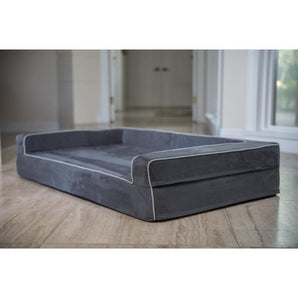
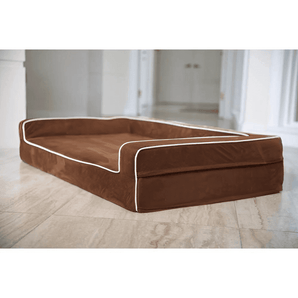
For older dogs who like to lean or rest their head on something, the Orthopedic 3-Sided Bolster Bed pairs solid foam with added support. To compare more styles, read Types of Dog Beds Explained.
Tight Weave Covers
A tight weave fabric makes it harder for hair, dust, and dander to work into the bed's interior, and it's easier to wash clean. Smooth, gentle fabrics like microfiber are also more comfortable for dogs with sensitive skin than rough or nubby textures. For more on fabrics, see How to Choose the Best Dog Bed Covers.
Is Organic Cotton Better for Allergic Dogs?
Not necessarily. Organic cotton describes how the cotton is grown, which is a sustainability benefit, not an allergy standard. It can be a soft, gentle option for sensitive skin, but organic doesn't automatically mean hypoallergenic. A tight weave and easy washing matter more than whether the cotton is organic.
Internal Liners and Moisture
An internal liner keeps drool, accidents, and other moisture off the foam. That helps prevent the damp buildup that can lead to odor and mold inside the bed.
The liner is a moisture barrier, not an allergen shield. If you want an extra layer of protection, the Standard Bully Beds Waterproof Cover helps keep the foam dry. To decide whether your dog needs one, read Waterproof Dog Beds: Do You Need One?
Why Does a Fully Removable Cover Matter So Much?
The best hypoallergenic feature is a cover you'll actually wash. Weekly washing removes dander, hair, and dust before it builds up, and that's only realistic if the cover comes off easily.
A spare cover makes it even easier. With one on the bed and one in the wash, your dog always has a clean place to sleep, and you never have to choose between laundry day and nap time.
At Bully Beds, every bed we make has a fully removable, machine-washable microfiber cover, and you can order a spare anytime through our Standard Bully Bed Covers. We hear from pet parents with itchy pups all the time, and our advice is always the same: the cleanest bed is the one that's easy to wash. Pair that with your vet's plan, and you're giving your dog the best shot at a comfortable night.
Always follow the care label. Bully Beds covers should be washed in cold water with a mild detergent.
How Do You Create an Allergy-Friendly Sleep Environment for Your Dog?
The bed is only one piece. To cut down on allergens, clean the room around it too:
- Wash the cover and any blankets weekly, following each item's care label.
- Vacuum often. Vacuum the bed's surface and the room around it. A vacuum with a HEPA filter can help trap fine dust.
- Keep humidity down. Dust mites thrive in humid environments. The University of Nebraska-Lincoln Extension recommends keeping indoor humidity below 50 percent.
- Place the bed wisely. Keep it away from drafty windows and doors where pollen collects.
- Follow your vet's bathing and grooming advice. How often to bathe, and with what, depends on your dog's diagnosis.
For a full walkthrough, read How to Wash a Dog Bed: A Step-by-Step Cleaning Guide.
Are Hypoallergenic Dog Beds Worth It?
Hypoallergenic dog beds are worth it for dogs with diagnosed environmental allergies or sensitive skin, and for households where people are sensitive to pet dander. They matter less for dogs without allergy issues, as long as the bed you choose is easy to clean.
There's a human benefit too. A washable dog bed keeps much of your dog's hair and dander in one spot, where you can wash it away every week instead of letting it spread through the house.
Frequently Asked Questions
Can a Dog Be Allergic to Its Bed?
It's possible for a dog to react to something in or on its bed, such as dust mites, mold, or a laundry product. But itching near the bed doesn't prove the bed is the cause. See your veterinarian for a diagnosis, since food, fleas, and other conditions can cause the same signs.
Is Memory Foam Hypoallergenic?
Solid memory foam isn't allergen-proof, but it resists clumping and doesn't trap debris the way loose stuffing does. Paired with a removable, washable cover, it's one of the easier bed types to keep clean.
How Often Should You Wash a Dog Bed if Your Dog Has Allergies?
Wash the cover about once a week if your dog has allergies, and follow the care label. A spare cover makes weekly washing easier. Your vet may suggest a different routine based on your dog's needs.
Do Hypoallergenic Dog Beds Help Humans With Pet Allergies?
They can help a little. A bed with a washable cover keeps much of your dog's hair and dander in one place, so regular washing removes it before it spreads. It won't eliminate pet allergens from your home, so talk with your own doctor about managing your symptoms.
Conclusion
"Hypoallergenic" isn't a guarantee. What actually helps allergic dogs is solid foam, a tight weave cover, a fully removable cover washed weekly, and a clean sleep environment, all alongside your vet's diagnosis and plan.
A bed won't fix your dog's allergies, but it can stop making them worse. Choose one that's easy to keep clean, wash it every week, and work with your vet on the rest.
If you're shopping for hypoallergenic dog beds, the Original Bully Bed combines a solid foam core, a removable microfiber cover, and an internal liner, and spare covers are available for every Bully Beds bed.