Types of dog beds include orthopedic, memory foam, bolster, round or donut, chew-resistant, heated, and elevated styles. The right bed depends on a dog’s size, age, joints, and sleep habits. Orthopedic and memory foam beds suit many dogs, especially large breeds and seniors who need more support.
A quick look at a pet store shelf can leave you with more choices than answers. Some beds have raised sides; others are flat cushions, heated mats, or tough beds made for dogs who chew. Which type fits your dog? Start with size and sleep position, then consider age and comfort.
You can browse the All Dog Beds Collection while you compare shapes and styles. One question should guide the choice: will the bed support your dog’s body after the novelty wears off?
What Are the Main Types of Dog Beds?
The most common types are orthopedic, memory foam, bolster, round or donut, chew-resistant, heated, and elevated beds. Each one offers a different shape, material, or feature.
| Bed Type | Best For | Key Benefit |
|---|---|---|
| Orthopedic | Large dogs, seniors, or dogs needing more cushioning | Supportive foam helps distribute body weight |
| Memory foam | Dogs who settle into a contoured surface | Foam conforms to the body and eases pressure points |
| Bolster | Dogs who lean or rest their head on an edge | Raised sides offer a place to curl against |
| Round or donut | Dogs who curl up to sleep | The rim creates a cozy, tucked-in shape |
| Chew-resistant | Puppies and persistent chewers | Tougher materials can stand up to more wear |
| Heated or infrared | Cold sleepers and some senior dogs | Added warmth may make rest more comfortable |
| Elevated cot | Outdoor use or warm weather | Air can move under the bed |
| Basic pillow | Budget shoppers or temporary use | Simple, lightweight place to lie down |
These features can be mixed and matched rather than treated as eight separate categories. A bed can be orthopedic and memory foam, for example, or orthopedic with raised sides. The rest of this guide looks at what each style is good at, and where it may not fit.
Are Orthopedic Dog Beds the Best All-Rounder?

Orthopedic dog beds use supportive foam to distribute a dog’s weight and cushion joints and hips. They’re often a strong choice for large breeds, older dogs, or dogs who need extra support.
At Bully Beds, we built our whole line around orthopedic support because that’s what big and giant breeds actually need. A soft pillow bed can feel pleasant at first, but under a 100-pound dog, it just flattens. That difference in weight is why we keep orthopedic support at the center of everything we make.
Not every dog needs a specialized bed, though. Consider the dog’s size, how deeply they sink, and whether they seem comfortable getting up after a nap.
The Bully Bed is our orthopedic option for dogs who need a supportive place to stretch out. The American Kennel Club notes that orthopedic beds may help older dogs and dogs with joint or hip pain; its article on choosing the right dog bed is a useful companion read. A bed may support comfort, but it isn’t a treatment for a medical condition, so talk with your vet about pain or mobility changes.
What’s Different About Memory Foam Dog Beds?
Memory foam contours to a dog’s body, while “orthopedic” describes the bed’s support-focused purpose. The terms often overlap, and one bed can be both.
A memory foam dog bed may feel different from a basic cushion because the surface responds to pressure. The exact feel depends on the foam and construction. Bully Beds uses orthopedic foam, so The Bully Bed is a natural place to start.
But does the label alone tell you whether it’s right? Not really. Check dimensions, weight guidance, cover care, and how the bed is built. Leave enough room for the dog’s usual sleep position, whether they curl up tight or sprawl out.
Do Bolster Beds Suit Dogs Who Like to Lean?
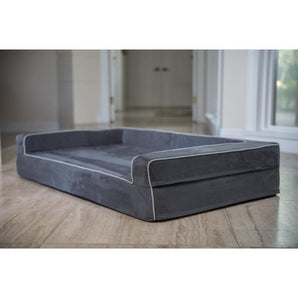
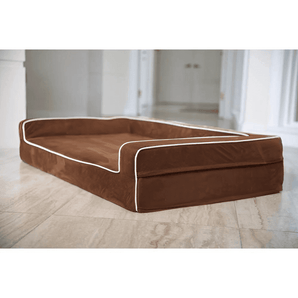
Bolster beds have raised sides that give dogs a place to rest their head or lean against. They suit dogs who curl up, tuck into a corner, or like a boundary around their sleeping space.
The raised edge can make a bed feel more enclosed without giving up the cushioned sleeping area. If your dog stretches across the whole bed, though, a bolster may take away some usable space. Measure the interior sleeping area, not just the outer dimensions.
The Orthopedic 3-Sided Bolster Bed pairs raised sides with an orthopedic base. That makes it worth a look for a dog who likes to lean but could use support underneath, too.
Are Round and Donut Beds Good for Dogs Who Curl Up?

Round and donut beds work well for dogs who sleep curled into a ball. The rim becomes a built-in pillow and can give a small dog a cozy place to tuck in.
Watching a dog circle twice and fold into a tiny crescent tells you more than a product label does. If that’s your dog, a round shape may fit. If they stretch out, compare the sleeping surface with the space they actually use.
The Round Sherpa Top Bolster Bed is the Bully Beds option for curlers who like a soft, raised rim. It won’t suit every sleeping style, and that’s fine. A bed should fit the dog, not the other way around.
What If Your Dog Chews Every Bed?
Chew-resistant beds use tougher materials and construction to handle more wear than a basic fabric cushion. They can be a practical pick for puppies and dogs who regularly tear up their bedding.
“Chew-proof” can sound absolute, so check the product details and supervise a dog who is determined to chew. No material should be treated as indestructible for every dog. Still, a durable design may last longer than a light pillow bed, and washable or replaceable covers can make upkeep easier.
The Chew-Proof Dog Bed is Bully Beds’ option for heavy chewers. If chewing is new or intense, consider whether boredom, stress, or another issue could be part of it; a bed is only one piece of the puzzle.
Do Heated and Cooling Beds Help Dogs?
Heated beds add warmth, while cooling beds are designed to help dogs feel less warm. These are situational choices, not must-haves for every pet.
A warm bed may appeal to a cold sleeper or some senior dogs with stiff joints. The AKC’s guide to heated dog bed safety recommends considering a dog’s chewing habits and using caution with electric warming beds. Follow the product directions closely, and ask a veterinarian about warmth as part of a plan for a dog with pain or a health condition.
Bully Beds offers the Infrared Dog Bed for added warmth and support. To be clear, no bed should be presented as a cure for joint trouble. Ask your vet what’s appropriate for your dog.
When Do Elevated or Basic Pillow Beds Make Sense?
Elevated cot-style beds lift a dog above the ground, while basic pillow beds offer a simple, low-cost place to rest. Both can work in the right situation, though they offer less orthopedic cushioning than a supportive foam bed.
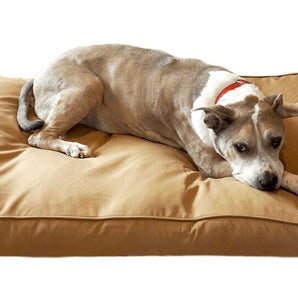
An elevated cot can help air move under a dog in warm weather and can be handy outdoors, but it may not provide much joint cushioning. Basic pillow beds are inexpensive, though some flatten quickly under a large dog. For temporary use or a dog who prefers a firm, flat surface, a simple bed may be enough.
For indoor comfort and support, compare those options with The Bully Bed or browse the All Dog Beds Collection. Bully Beds doesn’t offer a cot-style bed, so an orthopedic bed is the closest indoor option.
How Do You Choose the Right Type for Your Dog?
Match the bed to your dog’s size, age, health, and favorite sleeping position. The shape matters, and the bed needs enough room.
-
Large breed or senior dog: start with an orthopedic style.
-
Dog who curls up: compare round and bolster beds.
-
Persistent chewer: consider a chew-resistant bed and supervise use.
-
Cold sleeper: look at a heated or infrared option, following its safety directions.
-
Dog who sprawls: choose a roomy rectangular bed without a bulky raised rim.
Check your dog’s weight when using size guidance. A bed that’s too small can limit stretching. Removable, washable covers are useful after muddy walks or accidents.
When in doubt, orthopedic support suits a wide range of dogs, but it still has to match the dog in front of you. Pay attention to where they nap and whether they curl or stretch. That’s better evidence than choosing by color.
Which Type of Dog Bed Should You Pick?
There isn’t one best bed for every dog. The types of dog beds serve different needs, but orthopedic support is a sensible starting point for many large dogs and seniors.
A bolster or round bed may fit a dog who curls. A chew-resistant style may suit a puppy who shreds ordinary bedding. A heated option can add warmth for some cold sleepers, while an elevated cot may fit outdoor use. Choose based on your dog’s actual habits, then check fit, weight guidance, and cover care.
You can compare The Bully Bed with the rest of the All Dog Beds Collection to find a style that fits. Among all the types of dog beds, there’s no single best one, only the best bed for your dog. Which type matches how your dog really sleeps?