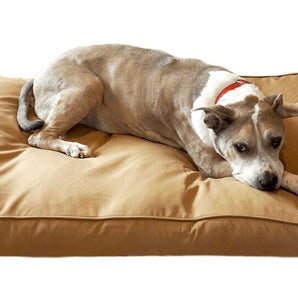
A dog destructive when left alone is usually reacting to separation anxiety, boredom, excess energy, teething, fear, or a sudden change in routine. The fix depends on the root cause: more daily exercise and mental stimulation for boredom, gradual alone-time training for anxiety, and a vet visit if the behavior starts suddenly.
A dog destructive when left alone is usually reacting to separation anxiety, boredom, excess energy, teething, fear, or a sudden change in routine. The fix depends on the root cause: more daily exercise and mental stimulation for boredom, gradual alone-time training for anxiety, and a vet visit if the behavior starts suddenly.
You walk in the door after a few hours out and there it is: a gutted couch cushion, gouges in the door frame, or a confetti pile that used to be your mail. If you're at your wit's end, you're not alone. A dog destructive when left alone is one of the most common problems pet parents face, and it's almost never spite.
Your dog isn't getting back at you for leaving. Destructive behavior is a signal that a need isn't being met. Below, we'll help you identify the cause first, then match it to the fixes that tend to help most.
Why Is My Dog Destructive When Left Alone?
Most dogs destroy things when left alone because of an unmet need, usually anxiety, boredom, or pent-up energy, not because they're misbehaving on purpose. The chewed shoe is the symptom. The underlying cause is what you need to fix.
Use this quick-reference table to narrow down what might be going on:
| Cause | Common Signs | When It Happens | First Fix to Try |
|---|---|---|---|
| Separation anxiety | Damage at doors and windows, howling, house soiling, pacing, drooling | Within minutes of you leaving; only when alone | Talk to your vet, then practice short absences |
| Boredom | Shredded pillows, raided trash, chewed random objects | Later in long periods alone | Puzzle toys and a stuffed food toy |
| Excess energy | Zoomies-style damage, chewing furniture, digging | After days with little exercise | More exercise before you leave |
| Teething | Chewing on anything at mouth height | Puppies under about 6 months | Approved chew toys and supervision |
| Fear or noise triggers | Damage near doors, windows, or hiding spots | During storms, fireworks, or construction | Note patterns and reduce exposure |
| Sudden change | New destruction in a previously calm dog | After a move, new schedule, or new family member | Restore routine and ease into changes |
| Medical issues | Sudden chewing, licking, or restlessness in an adult dog | Any time, often out of the blue | See your veterinarian first |
Timing is one of the best clues you have. According to the ASPCA, dogs with separation anxiety typically start showing distress within a short time of being left alone, often within minutes, and the behavior usually doesn't happen when their person is home. Destruction that shows up later in long periods alone points more toward boredom.
What Are the Most Common Causes of Destructive Dog Behavior?
The seven most common causes of destructive dog behavior are separation anxiety, boredom, excess energy, teething, fear, a sudden change in routine, and medical issues. Here's what each one looks like and which dogs it affects most.
1. Separation Anxiety
Separation anxiety is real distress about being apart from you, and destruction is one of the most visible signs. The ASPCA notes that dogs with separation anxiety tend to focus their chewing and digging on exit points like doors, door frames, and window sills. Other common signs include:
- Excessive barking or howling that starts soon after you leave
- House soiling in a dog that's otherwise house-trained
- Pacing, panting, or drooling
- Getting anxious as you prepare to leave (grabbing car keys, putting on shoes)
- Escape attempts, which can lead to broken teeth or injured paws
Separation anxiety dogs are panicking, not misbehaving, which is why punishment makes it worse. VCA Animal Hospitals notes that in severe cases, dogs may become destructive, hurt themselves, or try to escape.
If you suspect separation anxiety, have your dog assessed by a veterinarian or veterinary behaviorist. For more on spotting the signs, read 7 Signs Your Dog Has Anxiety and How to Help.
2. Boredom and Lack of Mental Stimulation
Bored dogs invent their own jobs. If your dog doesn't have anything to do, shredding pillows, chewing furniture, and raiding the trash can fill the time nicely.
The ASPCA lists a lack of exercise or mental stimulation as a common reason dogs chew, since bored dogs look for ways to entertain themselves. Smart working breeds like Border Collies and Australian Shepherds are especially prone.
3. Excess Energy and Not Enough Daily Exercise
A dog with excess energy needs somewhere to put it, and your house becomes the outlet. High energy breeds such as German Shepherds, Labrador Retrievers, Huskies, and herding breeds, along with young adult dogs, often need more activity than a quick lap around the block.
A tired dog is a calm dog: when physical needs are met, most dogs would rather nap than dig through drywall. See How Much Exercise Does a Dog Need.
4. Puppy Teething and Exploratory Chewing
Puppies chew to soothe sore gums and to explore the world with their mouths. According to the AKC, adult teeth start coming in around 12 to 16 weeks, and most puppies have their full set of adult teeth by about six months.
Chewing usually eases after teething ends. The catch is that bad habits formed during teething can carry into adulthood if your puppy never learns what's okay to chew. For a full rundown, see Puppy Teething: What to Expect.
5. Fear and Noise Triggers
Thunderstorms, fireworks, construction, and delivery trucks can trigger panic-driven destruction while your dog is home alone, like clawing at doors or chewing through blinds.
If damage clusters on storm days, trash pickup days, or holiday weekends, fear may be the root cause.
6. A Sudden Change in Routine
If your dog is suddenly destructive after years of good behavior, think about what's changed at home. Common triggers for adult dogs include:
- A new work schedule or a return to the office
- Moving to a new house
- A new baby, roommate, or other dogs in the home
- Losing a family member, human or animal
Even a positive change can throw a dog off for a few weeks.
7. Medical Issues
Sometimes destruction is a health issue, not a behavior one. Pain, stomach discomfort, and age-related changes in senior dogs can all show up as chewing, licking, or restlessness. The ASPCA also notes that hunger can play a role, since a dog on a calorie-restricted diet may chew in search of extra food.
An adult dog who suddenly starts destroying things should see a vet before anything else. Your veterinarian can rule out medical issues.
Is It Separation Anxiety or Just Boredom?
The key difference is that separation anxiety is distress about being apart from you, while boredom is simply a lack of something to do. The signs overlap, but the fixes are very different.
Signs that point to separation anxiety:
- Destruction starts within the first few minutes of you leaving
- Damage is focused on exits: doors, door frames, and windows
- Excessive barking, howling, or whining while you're gone
- House soiling only when left alone
- Clingy, follows you room to room, and gets anxious at departure cues
- Calm behavior when you're home, even if you're in another room
Signs that point to boredom:
- Destruction happens later in the day or during long periods alone
- Damage is random: pillows, trash, shoes, toys, the TV remote
- Little vocalizing; your dog seems relaxed when you get home
- The same behavior happens when you're home but busy
The easiest way to find the root cause is to set up a pet camera. Watch when the destruction starts and what your dog's behavior looks like. A dog who howls at the door within minutes is telling you something very different from one who naps for two hours, then gets into the cushions.
If what you see on camera looks like panic, a veterinary behaviorist can confirm whether it's separation anxiety and guide next steps.
How Do You Stop a Dog From Destroying the House When Left Alone?
The most effective approach is to match the fix to the cause and combine several fixes at once. Most dogs show improvement within a few weeks of consistent changes. Each fix below notes the causes it helps most.
Rule Out Medical Issues First
Best for: sudden changes, adult dogs, and any dog with new behavior problems.
If your adult dog was calm and suddenly isn't, start with a vet visit.
Give Them More Exercise Before You Leave
Best for: excess energy, boredom.
A long walk, fetch, or a play session right before alone time burns off excess energy, so your dog is more likely to settle and feel calm. Think of daily exercise as the baseline, not a bonus, especially for high energy breeds.
Keep Your Dog Busy With Puzzle Toys and a Stuffed Food Toy
Best for: boredom, mild stress at departures.
Mental stimulation can tire dogs out as much as physical exercise. Good options include:
- Puzzle toys that make your dog work for treats
- Snuffle mats for sniffing out kibble
- A stuffed food toy, frozen overnight so it lasts longer
Give the food toy only when you leave, so your dog loves the routine. For dozens more ideas, see The Ultimate Guide to Dog Enrichment.
Provide Appropriate Outlets: Chew Toys and a Chew-Resistant Bed
Best for: teething, boredom, natural chewers.
Chewing is a normal dog behavior, so the goal is to point it somewhere acceptable, not stop it. Give your dog a rotation of approved chew toys, and remove temptations like throw pillows and shoes.
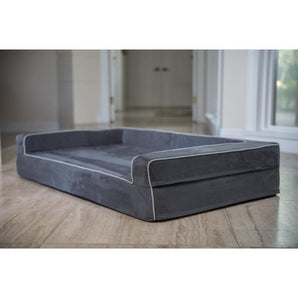
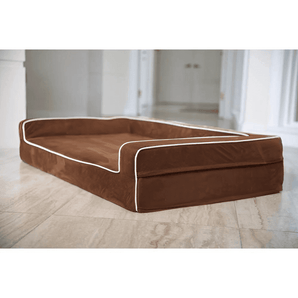
At Bully Beds, we hear from pet parents every week whose dogs went through three or four beds before they found us. That's exactly why we built our Chew Proof Dog Bed with a 200-day chew guarantee. No bed is truly indestructible, and we'll always say so. But giving a strong chewer a chew-resistant bed built for chewing (alongside the right toys and exercise) makes a real difference.
Comparing options? Our guide to the Best Dog Beds for Chewers and Destructive Dogs breaks down what to look for.
Dog Proof Your Home
Best for: all causes, especially while you work on training.
Management keeps your dog safe while new habits form:
- Use a baby gate to limit access to one safe room
- Put away shoes, remote controls, car keys, and anything else your dog loves to grab
- Secure or cover electrical cords
- Keep trash cans behind closed doors
For chew doors and furniture legs, a bitter deterrent like our All Natural No Chew Spray can help, as long as you pair it with redirection to approved chews. For a room-by-room checklist, read How to Dog-Proof Your Home.
Use Crate Training the Right Way
Best for: puppies, boredom, dogs who already see the crate as a safe spot.
For many dogs, a properly introduced crate becomes a calm den. Introduce it gradually, keep it comfortable, and never use it as punishment. Our step-by-step guide, How to Crate Train Your Dog in 5 Easy Steps, walks you through it.
For chewers who tend to shred crate bedding, the Chew Proof Crate Pad gives them a durable surface. Need a sturdier crate? See our Collapsible Aluminum Dog Crate.
Important: Crating isn't right for every dog. The ASPCA warns that some dogs become more stressed in a crate, and frantic escape attempts can lead to broken teeth, cut paws, and damaged nails. If your dog pants heavily, drools, or tries to break out, stop crating and talk to your vet, a veterinary behaviorist, or a certified professional dog trainer.
Practice Short Periods of Alone Time and Gradually Increase
Best for: separation anxiety, sudden change, newly adopted dogs.
Start with short periods, even just a few minutes, and come back before your dog gets upset. Keep departures and arrivals low-key: no big goodbyes, no excited reunions. As your dog stays relaxed, gradually increase alone time. Over a few weeks, this builds calm behavior and teaches your dog that you always come back.
If your dog shows signs of panic during these sessions, don't push through. Work with a veterinary behaviorist or certified professional dog trainer who can tailor the pace to your dog.
Bring In Help: Dog Walker, Dog Sitter, or Doggy Daycare
Best for: long periods alone, high energy dogs, social dogs.
If your dog is alone for long stretches, a midday dog walker or dog sitter breaks up the day and gives them a chance to burn energy. Doggy daycare is another great option for social dogs that enjoy other dogs.
Never Punish After the Fact
Best for: every dog.
Dogs can't connect punishment to damage done hours earlier, and scolding at the door can increase your dog's anxiety and make the destruction worse. Instead, reward calm behavior when you see it. A positive reinforcement trainer can help you build a plan that works.
When Should You Call a Vet or Certified Professional Dog Trainer?
If your dog's destructive behavior is sudden, getting worse, or causing injury, it's time to get professional help. Reach out if you notice:
- Self-injury, like broken teeth, bleeding paws, or damaged nails
- Escape attempts through doors, windows, or crates
- Destruction combined with house soiling
- No improvement after a few weeks of consistent changes
- An adult dog suddenly destructive with no change at home
It helps to know who does what. A veterinarian rules out medical issues and is always the first stop. A veterinary behaviorist is a veterinarian with specialty training in behavior problems, and you can find a board-certified specialist through the American College of Veterinary Behaviorists. A certified professional dog trainer or positive reinforcement trainer helps with day-to-day training plans and can work alongside your vet.
Frequently Asked Questions
Why Is My Dog Suddenly Destructive?
A dog suddenly destructive is usually reacting to a change in routine, a new stressor, or a medical issue. If nothing has changed at home, schedule a vet visit to rule out pain or other health problems.
Will My Dog Grow Out of Destructive Chewing?
Many puppies chew less once teething ends, which the AKC places at around six months. But adult dogs don't simply grow out of destructive chewing caused by boredom, energy, or anxiety. Those causes need the right outlets and training to improve.
Should I Crate a Dog With Separation Anxiety?
Not without guidance. Some dogs with separation anxiety panic in crates and can injure themselves trying to escape. Talk to your veterinarian or a veterinary behaviorist before crating a dog with signs of separation anxiety, and stop if your dog shows distress.
Does a Tired Dog Really Behave Better When Left Alone?
Often, yes. Exercise and mental stimulation before you leave can make it much easier for a dog to settle. That said, exercise alone usually isn't enough for separation anxiety, which needs a gradual training plan and professional support.
How Long Does It Take to Stop Destructive Behavior?
Many dogs improve within a few weeks of consistent changes to exercise, enrichment, and routine. Separation anxiety often takes longer and varies from dog to dog. A veterinary behaviorist can give you a realistic timeline.
Conclusion
Destruction when left alone is a symptom, not a personality flaw. Identify the cause first, then match the fix: more exercise, mental stimulation, appropriate outlets, gradual alone time, and professional help when needed.
Your dog isn't trying to ruin your house. They're telling you something isn't working. Find the root cause, give them the right outlets, and be patient. Most dogs settle into calmer alone time within a few weeks.
If your dog is a strong chewer, a Chew Proof Dog Bed can be one piece of the solution, alongside daily exercise and consistent training. With the right plan, a dog destructive when left alone can learn to spend that time resting instead of redecorating.