Spring means longer days, warmer weather, and flowers in bloom. But it also means the return of seasonal allergies. And for dogs, the pollen-filled air brings with it itchy skin and lots of discomfort. It is important to keep an eye out for signs of dog seasonal allergies and help our canine companions the best we can.
Spring means longer days, warmer weather, and flowers in bloom. But it also means the return of seasonal allergies. And for dogs, the pollen-filled air brings with it itchy skin and lots of discomfort. It is important to keep an eye out for signs of dog seasonal allergies and help our canine companions the best we can.
Is it an Itch, or is it Seasonal Allergies?
It can be challenging to recognize whether your dog is dealing with a one-off itch or seasonal allergies. While humans struggle with watery eyes and carry extra tissues in our pockets for the sneezing, dog’s symptoms during allergy season can be much less noticeable.
While dogs cannot communicate the specifics of what they are feeling, there are a few red flags to watch for that can indicate your pup is dealing with something more serious than a simple itch.
Recognizing these signs early is critical in intervening with the proper Pet Care & Dog Supplements that can nip the ailment in the bud. Doing so can prevent a minor irritation from becoming a painful hot spot that leads to harmful scratching and inflammation.
Red Flag #1: “Frito Feet”
If your dog is constantly licking or chewing its paws and you notice an accompanying “corn chip” smell, then your dog may be dealing with the phenomenon known as “Frito feet.” This is caused by an allergic response between your dog’s toes that leads to irritated skin, which your dog instinctively wants to address with excessive licking of the affected area. As a result, yeast can form on your dog’s paws, causing the corn chip-like odor.
How Did My Dog Get Frito Feet?

When dogs are outside, their paws are constantly touching the ground. In addition to grass, they can be touching weeds, leaves, fertilizer, dirt, flowers and more. Allergens contained within then get trapped between the dog’s toes, which can cause intense itching.
Dogs will lick their paws to soothe and reduce itching, but the constant moisture that ensues creates a breeding ground for secondary yeast and bacteria. This exacerbates the dog’s itchiness and allergy symptoms as a result.
To reduce your dog’s exposure to environmental allergens, when your dog comes inside, be sure to wash their paws and watch for any allergy symptoms so they can be treated right away. Make sure your dog’s paws stay dry so they do not populate bacteria and cause more skin problems.
Red Flag #2: Chronic Ear Scratching and Scooting
If your dog is constantly scratching its ear, exhibiting chronic head shaking, or scooting their behind across the floor, they may be experiencing some allergic reactions. Dog seasonal allergies can often lead to inflamed lining of the ears and anal glands, causing significant discomfort to your pup.
When this happens, check inside your dog’s ear flap. You may notice redness or a musty odor, both of which are telltale signs of an inflammatory response caused by environmental allergies.
Your dog may also be dealing with ear infections, which could necessitate a trip to the veterinarian for proper medications and treatment.
Red Flag #3: “Allergic Shiners” and Rubbing of the Face
During allergy season, watch out for your dog rubbing its face on the carpet or on furniture and/or redness around the eyes resembling a black eye or shiner, as these are signs of an allergic reaction. Redness around the eyes indicates conjunctivitis, a condition often caused by seasonal allergies.
In this case, your dog is likely experiencing a very uncomfortable itchiness on the face, and may use couches, chairs, or other furniture to rub their face and relieve the itch. This can be a result of airborne mold spores, tree pollen, or other allergens from outside.
How Can I Help Treat My Dog’s Allergy Symptoms Inside?
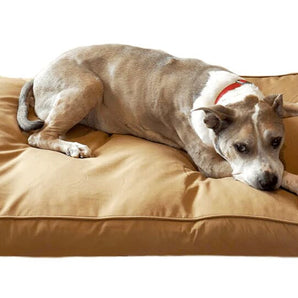
Consider installing air purifiers in your home to ensure your air is clean and free of allergens. You can also treat seasonal allergies by providing your dog with proper bedding that is durable and washable. We recommend our Original Bully Bed Orthopedic Dog Bed. Its high-density foam is supportive and comfortable, but the real assist comes from the cover.
Made from durable microfiber, the cover is structurally sound, perfect for dogs that like to nest or scratch the bed to self-soothe. It also removes easily for washing to not only keep your dog’s rest area fresh, but routine washing will make sure any allergens your dog may be carrying will not be trapped against your dog’s body while they sleep. Even washing your dog’s bedding weekly can go a long way in relieving their seasonal allergy symptoms.
Red Flag #4: Hot Spots and Thinning Fur
Dog seasonal allergies weaken the skin barrier, which can lead to hair loss and exposed skin. Watch for patchy hair thinning around your dog’s armpits, groin, or base of the tail, as these are clear symptoms of seasonal allergies in dogs.
This can be dangerous, as scratching these itchy patches of exposed skin can break the skin and cause a “hot spot” to form. A hot spot is a patch of inflamed skin, and repeated agitation of a hot spot can cause skin infections.
How Can I Break the Itch-Scratch Cycle?

To protect your canine companion from skin issues, it is imperative to break the “itch-scratch” cycle, where your dog has an itch, finds relief in scratching it, but ultimately makes the itch worse, causing more scratching. If your pup is destructively chewing their skin or bedding to deal with the itching, try our All Natural No Chew Spray for Dogs. Its water-based formula is safe for your pet, while the bitter apple flavor serves as a temporary deterrent to keep your dog from chewing their skin or their bedding.
Red Flag #5: Recurring Skin Infections
If your dog has chronic skin issues, they can be worsened by dog seasonal allergies. Watch for small red bumps or crusty collarettes on your dog’s belly. These are symptoms of an allergic reaction and signs that the dog’s immune system is overwhelmed. This can result in inflamed skin and make your dog more prone to additional skin and ear infections.
When to Visit the Vet
While you can treat some of your allergic pets’ ailments at home with common household products like oatmeal, apple cider vinegar, and coconut oil, severe allergies should be taken care of with veterinary guidance.
Pet owners should consider visiting your local veterinary dermatologists if a dog is having respiratory problems or showing signs of atopic dermatitis, or atopy. A professional can determine the exact cause or specific triggers of your dog’s ailment and advise on appropriate treatment options, which could include anti-itch medication or allergy shots.
What is the Best Way to Support my Dog’s Skin?
Your dog’s skin is their first line of defense against internal issues, so supporting their skin is critical. Consider giving your dog a Multivitamin for Dogs to support their health and wellness.
These soft chews are packed with Omega fatty acids, probiotics, minerals, vitamins, and essential nutrients, specially designed to promote healthy skin, as well as gut health, joint support, and digestive health.
Supporting your dog’s skin’s natural defenses is a great way to protect your pup from the harm that comes from dog seasonal allergies and the infections that can come up as a result of irritated hot spots.
What Red Flags Should I Notice to Support My Pup?
While the spring can be a great time for you and your dog to get outside and enjoy the fresh air, it can also be a time for seasonal allergies to rear their ugly heads once again. To protect your dog from offending allergens that can cause sensitive skin and secondary infections, be aware of these red flags:
-
“Frito feet” and obsessive paw licking
-
Chronic ear scratching and scooting
-
Eye redness and face rubbing
-
Thinning fur and hot spots
-
Recurring skin infections
Being conscious of these warning signs can be a huge help in identifying your pup’s seasonal allergy issues and giving them the care and treatment they need. If you are struggling to nail down the specific cause of their symptoms or your pet is dealing with chronic, severe symptoms, then consider a visit to the vet’s office to get professional guidance.
You may not be able to avoid allergy season, but you can take the necessary steps to get your dog the Pet Care & Dog Supplements they need to protect their body from dog seasonal allergies. Be proactive in watching for the signs and symptoms, provide them with a clean environment, and give them the treatment they need to keep them safe and comfortable.
No need to wait for the symptoms to show and the scratching to start. Get a head start on allergy season with our Multivitamin for Dogs as a first line of defense against the pollen. They will enjoy the health and protection they deserve, and you will enjoy the peace of mind that comes with it.