Hearing your veterinarian say the words Wobbler syndrome can feel overwhelming and a little bit scary. This neurological disorder affects the neck region and can lead to spinal cord compression, pain, and an unsteady or uncoordinated gait that often looks like a dog is swaying. Wobbler syndrome in dogs can appear slowly or all at once, and many owners notice subtle clinical signs long before an official diagnosis. These signs may include tripping, scuffing the front legs, difficulty rising, or changes in posture. No matter how it shows up, the condition raises a lot of questions for families who want to support their dog’s comfort and mobility.
The good news is that many treatment options exist. Some dogs need medical treatment, some undergo surgery, and many benefit from supportive care at home. Every dog is different, and every case of cervical spondylomyelopathy, cervical vertebral malformation, or disc associated Wobbler syndrome needs veterinary guidance. Your veterinarian or a veterinary neurologist will help you determine the right treatment plan based on your dog's neurologic status and physical exam findings.
Understanding Wobbler Syndrome in Dogs

Wobbler syndrome develops when the cervical vertebrae in the neck compress the spinal cord. The spinal cord passes through a narrow vertebral canal, and when the space surrounding it becomes too tight, the nerves supplying the limbs and trunk cannot communicate properly. This is why many large breed dogs begin to show an abnormal gait or show weakness in the hind legs. Affected vertebrae and affected disc space can create pressure on nerve roots and lead to cervical pain, reduced coordination, and even partial or complete paralysis.
Great Danes and Dobermans are commonly affected because they are giant breed dogs with a higher risk of cervical spinal cord compression, but other large breed dogs and even some middle aged or older dogs can develop Wobbler disease. Many cases also show up in young adult dogs because cervical stenotic myelopathy can appear early. Veterinarians use neurological examinations, imaging, and a thorough review of clinical signs to determine the severity and the best course of care.
While the diagnosis carries weight, it is not a hopeless one. Many dogs live comfortable lives with the right mix of medical and supportive treatments, and owners can play a major role in keeping their dogs steady and safe.
Veterinary and Medical Care for Wobbler Syndrome
Veterinary internal medicine and neurology specialists approach Wobbler syndrome with a combination of diagnostic tests and therapeutic steps. The treatment path depends on how quickly symptoms appeared, how severe the spinal canal narrowing is, and how much cervical pain or instability shows up during a neurological exam.
1. Anti-inflammatory Medications
Reducing inflammation around the spinal cord is a common first step. Anti inflammatory medications help decrease swelling around the cervical spinal cord and reduce the discomfort that comes from irritated nerve roots. Some dogs receive non-steroidal anti inflammatory medications. Others require steroids for short periods when symptoms are intense. These medications help stabilize the dog so additional steps can be planned safely.
2. Surgical Intervention
Surgical treatment becomes a consideration for dogs who do not respond to conservative treatment or whose clinical signs progress quickly. Cases involving significant spinal cord compression or rapid loss of coordination may require a surgical procedure to decompress the spinal cord and stabilize the cervical spine.
Options can include a ventral slot procedure, nerve root decompression, vertebral distraction fusion, or cervical arthroplasty with an artificial disc or cervical disc prosthesis. Veterinarians decide which technique is appropriate based on the exact location of compression, the dog’s weight, and the condition of the vertebral column.
Dogs who undergo surgery will have post operative care plans that involve controlled activity, pain management, and follow up visits. While surgery can sound intimidating, it has helped many affected dogs regain strength and function.
3. Rest and Careful Activity Control
Whether a dog follows conservative treatment or surgical intervention, rest is always part of the plan. High impact activities can make symptoms worse, so veterinarians often recommend limiting running, climbing stairs, or jumping onto furniture. Many owners also switch from a collar to a harness to avoid pressure on the dog's neck. This change protects the cervical vertebrae and decreases neck pain every time the dog moves forward.
Strict activity control may feel challenging when your dog is used to a busy routine, but rest gives the spinal cord time to settle and helps prevent additional injury.
Supportive Care and Lifestyle Adjustments at Home
Daily life with Wobbler syndrome requires a few adjustments, but many owners find that these changes create a calmer and safer environment. Supportive care plays a major role in preserving the dog’s quality of life, especially when medical treatment is paired with lifestyle support.
4. Orthopedic Support
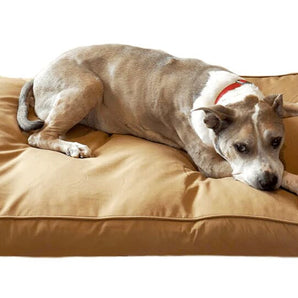
Dogs with Wobbler syndrome spend more time lying down because movement becomes effortful. Hard floors or thin bedding do not give the spine enough support, and pressure builds on the cervical region and joints, so a therapeutic surface is essential. The Bully Bed orthopedic dog bed offers dense, supportive cushioning that keeps the spine aligned and relieves pressure, which is important for any dog living with cervical vertebral instability or cervical disc disease.
This type of support helps older dogs and giant breeds who already put significant load on their joints. It also helps stabilize the neck when the dog transitions from lying down to standing up.
5. Physical Rehabilitation
Physical therapy plays a powerful role in managing Wobbler syndrome. Many dogs work with certified canine rehab specialists to strengthen the muscles that support the spinal column. Hydrotherapy provides buoyant resistance that builds strength without stressing the neck vertebrae. Range of motion exercises improve flexibility and coordination. Guided conditioning exercises help the nervous system regain some control even when the cervical spinal cord has been compressed.
These sessions work best when kept consistent. Owners often notice improvements in balance, stability, and confidence as rehab progresses.
6. Support Emotional Wellbeing
Living with pain or unsteady movement can make any dog feel anxious. Dogs unable to move easily may show signs of restlessness or pacing, which tightens muscles and worsens symptoms. Helping your dog relax becomes just as important as physical care. Calming supplements are often useful in these situations. The Bully Beds K9 Calm Anxiety Chews promote relaxation and help dogs settle during recovery periods or stressful days.
Many owners notice that once anxiety decreases, their dog sleeps more soundly, which supports healing and maintains a steadier mood.
7. Changes to Your Home
Environmental modifications can protect a dog with Wobbler syndrome from slipping or falling. Rugs or runners across tile or hardwood floors give traction to weak hind legs. Raised food and water bowls prevent the dog from lowering their head too much, which reduces strain in the neck region. If your dog has developed chewing habits out of stress or boredom, you need durable bedding options. The Bully Beds Chew Proof Dog Bed offers a safe place for rest without the risk of torn fabric or swallowed material.
These simple changes help create a space where movement feels a little easier and safer.
Supporting Your Dog With Wobbler Syndrome
Wobbler syndrome affects every dog differently, but each case benefits from a thoughtful approach that blends veterinary care, supportive home adjustments, and consistent emotional support. Medical treatment may reduce swelling or decompress the spinal cord. Physical therapy can strengthen coordination and stability. A secure and comfortable environment can prevent unnecessary strain and protect the cervical spine.
Owners often feel more hopeful once they see that progress is possible. Many affected dogs regain steadiness and confidence when their needs are met with patience and routine. As you build a treatment plan for your dog, lean on your veterinarian for guidance. Then consider how simple changes in your home, bedding, and daily structure can help your dog stay comfortable for years to come.
If you need orthopedic support that protects vulnerable joints and offers stability for the cervical spine, explore the Bully Beds collection. The right foundation can make each rest period more restorative and help your dog move through life with a little more ease and comfort.