An orthopedic dog bed uses high-density support foam that distributes a dog’s weight evenly and protects joints, while most regular dog beds rely on soft fiber fill that quickly flattens and leaves dogs resting on the floor. The difference isn’t just comfort—it affects long-term joint health, mobility, and sleep quality.
Why Does the Type of Dog Bed Matter?
The type of dog bed your pup sleeps on affects more than comfort. It plays a role in how well their body recovers from daily activity, how their joints are supported, and whether they wake up feeling stiff or relaxed.
Many pet owners assume that a soft or fluffy dog bed automatically means comfort. In reality, softness alone doesn’t provide the structural support dogs need. Without proper orthopedic support, a dog’s hips, elbows, and shoulders absorb pressure from the floor beneath them.
Veterinary experts increasingly encourage proactive joint care, especially for large breeds and active dogs. According to the American Kennel Club, large dogs and older dogs are especially prone to joint stress, arthritis, and mobility issues as they age.
That’s where the difference between a regular dog bed and an orthopedic dog bed becomes important.
What Is a Regular Dog Bed?
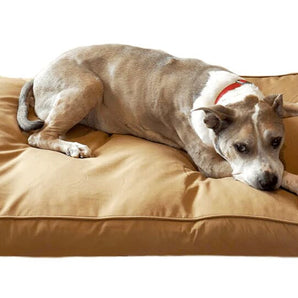
A regular dog bed is typically made with soft padding or polyester fiber fill. These beds may look plush and cozy at first, but the materials inside often compress quickly.
Most inexpensive beds follow a simple construction:
-
Polyester fiber fill (similar to pillow stuffing)
-
Thin foam padding
-
Fabric cover with minimal durability
-
Lightweight structure that shifts easily
At first glance, these beds feel comfortable. The problem appears after weeks or months of use.
The “Bottoming Out” Problem
Fiber fill compresses under a dog’s weight. Over time the stuffing moves to the sides, leaving very little cushioning where your dog actually sleeps.
Once this happens, your dog is essentially lying on the floor with just a thin layer of fabric between their body and the ground.
This leads to pressure points at areas like:
-
Hips
-
Elbows
-
Shoulders
-
Spine
Dogs often respond by constantly shifting positions or circling before lying down. This isn’t just a quirky behavior. It’s usually their attempt to relieve pressure.
What Is an Orthopedic Dog Bed?

An orthopedic dog bed is designed to support a dog’s joints, spine, and muscles using dense structural foam instead of loose stuffing.
Rather than filling the bed with soft fluff, orthopedic beds rely on engineered foam layers that evenly distribute weight across the entire sleeping surface.
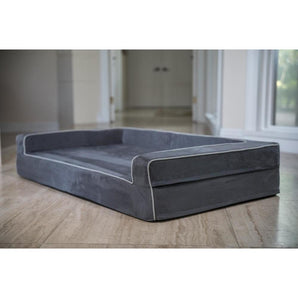
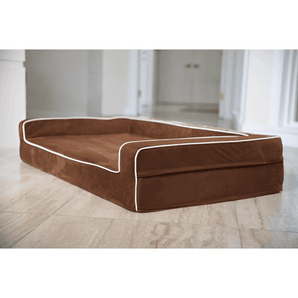
For example, the Bully Beds Original Orthopedic Dog Bed uses a solid slab of high-density orthopedic foam designed specifically for large dogs.
This type of foam performs differently from regular padding in several ways.
Key Features of The Best Orthopedic Dog Beds
|
Feature |
Regular Dog Bed |
Orthopedic Dog Bed |
|
Internal material |
Polyester fiber fill |
High density orthopedic foam |
|
Support level |
Low |
High |
|
Durability |
Often flattens quickly |
Maintains shape for years |
|
Pressure relief |
Minimal |
Even weight distribution |
|
Best for |
Small dogs or occasional use |
Large breeds, senior dogs, active dogs |
The core idea behind orthopedic pet beds or crate pads is pressure distribution. Instead of a dog’s body weight concentrating on a few sensitive points, the memory foam spreads the load evenly across the entire mattress.
This reduces stress on joints and encourages a deeper, more restful sleep.
Research from the American Veterinary Medical Association also notes that proper bedding can help reduce joint pain and improve comfort for dogs with arthritis or mobility challenges.
How Does Orthopedic Foam Support a Dog’s Body?
Orthopedic foam works by responding to pressure and distributing weight evenly across the bed’s surface.
When a dog lies down, the foam compresses slightly beneath heavier areas like the hips and shoulders while supporting lighter parts of the body.
This creates a balanced sleeping surface that keeps the spine aligned.
Benefits of orthopedic foam include:
-
Reduces pressure on hips and elbows
-
Supports natural spinal alignment
-
Helps prevent stiffness after sleep
-
Provides better comfort for older dogs
-
Maintains its shape over time
Large dogs such as a Golden Retriever, Labrador Retriever, or Great Dane benefit especially from orthopedic beds because their body weight places more stress on joints.
Without proper support, that pressure accumulates over years of sleep.
Which Dogs Benefit Most From Orthopedic Dog Beds?
While any dog can enjoy the comfort of orthopedic foam, some dogs truly need it.
Large and Giant Breeds
Dogs weighing over 50 pounds place significant pressure on their joints every time they lie down.
Breeds like the Saint Bernard or Great Dane require dense support that won’t collapse beneath them.
Extra large dog beds with orthopedic foam provide the stability these breeds need.
Senior Dogs
Older dogs frequently develop arthritis, muscle loss, and joint stiffness. A supportive foam mattress makes it easier for them to lie down and stand back up.
Orthopedic beds can reduce discomfort and help older dogs maintain mobility.
Dogs With Joint Issues
Dogs with hip dysplasia, elbow dysplasia, or arthritis benefit greatly from pressure-relieving bedding.
A stable foam base helps protect sensitive joints.
Dogs Who Dig or Chew
Some pups treat their bed like a construction site. If your dog digs, chews, or destroys regular beds, durability matters just as much as support.
The Bully Beds Chew Proof Dog Bed combines orthopedic support with an extremely durable outer cover designed for tough chewers.
Dogs Who Like Head Support
Some dogs naturally rest their head on pillows or furniture edges.
Beds with supportive bolsters create a comfortable headrest while maintaining proper spinal alignment. The Bully Beds Orthopedic 3‑Sided Bolster Bed provides a raised edge that many dogs love.
How Can You Tell If Your Dog’s Bed Is Failing?
Many dogs are sleeping on beds that stopped providing support long ago.
Here are a few simple ways to test your dog’s current bed.
The Hand Press Test
Press your hand firmly into the center of the bed.
If you can easily feel the floor beneath the padding, the bed no longer provides orthopedic support.
The Lump Check
Pick the bed up and shake it.
If the filling shifts or forms lumps, the interior structure has broken down.
Watch Your Dog Wake Up
If your dog:
-
Takes several seconds to stand
-
Appears stiff after sleeping
-
Frequently circles before lying down
their bed may not be supporting their joints properly.
How Do You Choose the Right Orthopedic Dog Bed?
Not all orthopedic beds are created equal. Some brands use thin foam layers or low-density padding that compress quickly.
When choosing a bed, consider these factors.
Foam Density
High-density foam provides better support and durability.
Low-density foam may feel soft initially but flattens faster.
Bed Size
Large breeds need extra large dog beds with thick foam layers.
A bed that’s too small prevents a dog from stretching fully.
Washable Covers
A machine washable cover helps keep the bed clean and hygienic.
Waterproof Protection
A waterproof liner protects the foam mattress from accidents, spills, and moisture.
Durability
Strong materials prevent chewing, tearing, and long-term wear.
Orthopedic vs Regular Dog Beds: Quick Comparison
Here’s a quick snapshot of the biggest differences.
|
Feature |
Regular Bed |
Orthopedic Bed |
|
Comfort |
Soft initially |
Consistent comfort |
|
Support |
Minimal |
True orthopedic support |
|
Longevity |
Months |
Years |
|
Joint protection |
Limited |
Excellent |
|
Best for |
Occasional use |
Daily sleep |
For dogs who spend 12–14 hours per day resting, the sleeping surface matters more than many owners realize.
Why an Orthopedic Dog Bed Is Worth the Investment
Dogs spend most of their lives sleeping or resting. The quality of their bed directly affects how their joints feel, how well they recover from activity, and how easily they move as they age.
Cheap beds often flatten within months, requiring frequent replacements. A well-made orthopedic dog bed maintains its shape and support for years.
More importantly, it helps protect your dog’s long-term mobility.
When your pup wakes up comfortable, supported, and ready to play, you’ll see the difference.
A Better Bed for Better Sleep
A regular dog bed may look soft and cozy, but without proper support it can leave your dog resting on the floor. An orthopedic dog bed uses dense foam to distribute weight evenly, protect joints, and provide consistent comfort.
For large dogs, senior pups, and active breeds, that support makes a real difference in daily comfort and long-term health.
If you want to give your furry companion the kind of sleep surface designed for big dogs and real orthopedic support, explore the full lineup of Bully Beds orthopedic dog beds built specifically for durability, comfort, and joint protection.