Many dogs, especially large and giant breed dogs, deal with canine calluses. These are thickened, hairless patches of skin typically found over pressure points like elbows, caused by repeated contact with hard surfaces. While they may look alarming, they are usually harmless and largely preventable with the right bedding and weight management.
Many dogs, especially large and giant breed dogs, deal with canine calluses. These are thickened, hairless patches of skin typically found over pressure points like elbows, caused by repeated contact with hard surfaces. While they may look alarming, they are usually harmless and largely preventable with the right bedding and weight management.
You're giving your big dog some well-deserved pets when you notice something strange. He has rough, hairless, darkened patches on his elbows. Don't panic. They're likely just canine calluses, and they're very common, usually harmless, and extremely manageable.
Consider this your complete guide to canine calluses. We'll walk you through what they are, where and why they form, prevention techniques, treatment options, and red flags that indicate when it's time to visit your vet.
Please note: This article is meant to be informational and is not a substitute for professional veterinary advice.
What Are Canine Calluses?
A canine callus is a thick, hard, and often hairless and darkened area of skin formed over a bony pressure point. Calluses form as a protective response to repeated pressure and contact with hard surfaces.
They most often appear as dog elbow calluses. Calloused elbows are so common because dog's elbows have such frequent contact with floors and other hard surfaces. Calluses also often form on hocks, back legs, and other pressure points.
For perspective, canine calluses aren't much different than human calluses, which often form on palms from repeated pressure or physical activity (i.e. manual labor, swinging a baseball bat) or on feet from long walks with unsupportive footwear.
What Causes Dogs to Develop Calluses?

Canine calluses can be caused by a number of activities, lifestyles, and attributes, including:
-
Repeated pressure on hard surfaces
-
Large and giant breed sizes
-
Body weight/obesity
-
Age
-
Lack of soft bedding
Repeated Pressure on Hard Surfaces
This is the most common cause of canine calluses, as repeated pressure can affect dogs of any breed or size. Dogs that spend a lot of time lying on hard floors, ground, or other rough surfaces can develop calluses on pressure points from the repeated, extended pressure on parts of the body.
Large and Giant Breed Sizes
Larger breed dogs, like Labrador retrievers, golden retrievers, and other large dogs, are more prone to calluses, as they carry more body weight and as a result, put more pressure on sensitive areas. Plus, larger dogs tend to have less natural padding on their joints.
Body Weight/Obesity
Obese dogs or dogs above a healthy weight tend to be at higher risk of developing calluses since their additional body weight puts more pressure on joints, accelerating callus development.
Age
Typically, senior dogs develop calluses more often than younger dogs. That's because older dogs tend to spend extended periods lying down, and that consistent, repeated pressure is a major factor in canine callus formation.
Lack of Soft Bedding
Dog beds that are too close to the ground and/or lack cushioning and orthopedic support can contribute to the formation of dog calluses.
Picking the right bed for your dog does more than just give them a comfortable place to rest, but can also help prevent calluses. Check out our 7 Best Dogs Beds for Older Dogs to find the right fit for senior dogs or dogs that just need more support and protection against calluses. Senior dogs and large breed dogs may also need specific beds to combat hip and joint issues, which in turn can help with callus prevention. For these cases, check out Finding the Best Dog Bed for Hip Dysplasia: A Guide.
How Do You Prevent Canine Calluses?
There are several canine callus prevention methods that involve orthopedic support, lifestyle choices, and joint protection.
-
Provide soft, supportive bedding
-
Keep your dog off hard floors
-
Maintain a healthy weight
-
Use elbow pads or leg covers
-
Moisturizing (under veterinary guidance)
Provide Soft, Supportive Bedding
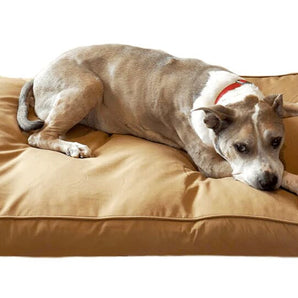
This is the single most effective prevention method. The right bedding keeps dogs off hard flooring and supports joints prone to calluses. Look for memory foam cushions or beds that provide orthopedic support.
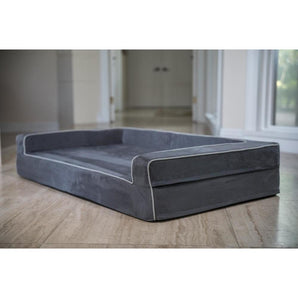
Our Original Bully Bed Orthopedic Dog Bed is made with a dog's comfort and support in mind, keeping them cozy atop a foam cushion that protects joints from rough surfaces. Check out our full collection of Dog Beds to find the right one for your furry friend.
Here at Bully Beds, we hear from a lot of pet owners, specifically owners of giant or bully breeds, who are struggling to manage calluses on their dog's skin and looking for a solution. We often find that these owners' dogs lack supportive bedding solutions. This is a perfect example of why the right dog bed is more than just a luxury, but also a proven prevention method.
Keep Your Dog Off Hard Floors
Be conscious of how much time your dog spends on hard surfaces, like hardwood floors, tiles, concrete, and asphalt. The more time they're on these rough surfaces, the more their joints are exposed to them, and in turn, the more likely to develop calloused skin.
Elevated dog beds are also an effective way to keep your dog off the floor and avoid repeated contact with hard surfaces that causes calluses. Learn more with our guide Elevated Dog Beds: 8 Benefits Worth Knowing.
Maintain a Healthy Weight
Weight management is an effective way to reduce pressure on joints that causes canine calluses, and also comes with other health benefits.
Use Elbow Pads or Leg Covers
These add an extra layer of protection for dogs that are prone to calluses.
Moisturizing
Moisturizers like elbow butter, bag balm, coconut oil, or shea butter can soften skin while also keeping it moist and less likely to develop calluses.
However, be sure to consult your vet before utilizing moisturizers. Many essential oils are actually toxic to dogs and can cause serious health concerns. If you're considering using moisturizing products to prevent calluses, schedule a vet visit first to discuss what you and shouldn't be using.
How Are Dog Calluses Treated?
Most calluses are mild, non-painful, and don't require treatment beyond utilizing prevention methods to keep them from getting worse. But for instances that go beyond mild cases, there are several treatment options.
As discussed above, soft, supportive bedding and healthy weight management are great foundations. Moisturizing (under veterinary guidance) can help soften calloused skin. Elbow pads and leg covers deliver extra protection. Consistency in moisturizing and padding is key, but it's worth noting that these methods are intended to be supportive, not curative.
For stubborn calluses that don't respond to treatment or severe cases, take your dog to the veterinarian promptly.
Early intervention goes a long way in treating calluses. Know what to watch for and start treating calluses as soon as you see them. Fresher, softer calluses respond better and more quickly than thicker, long-standing ones.
When Should You Worry About a Dog Callus?
While most canine calluses are harmless and merely cosmetic, there are signs to watch for that indicate it's time to get your dog to the vet.
|
Sign |
What It Could Mean |
Action |
|
Cracked/Bleeding Callus |
Possible infected callus or skin infection |
Contact your vet |
|
Redness/Swelling/Pus |
||
|
Soft, Fluid-Filled Swelling |
Possible fluid accumulation/fluid sac |
|
|
Rapid Growth/Calluses in Unusual Locations |
Possible underlying condition |
|
|
Pain/Self-Trauma |
Remember, only a vet can give a proper medical diagnosis, so if you have any concerns your dog's callus might be something more, don't hesitate to reach out to your vet to be safe.
Everything to Know About Canine Calluses
Dog calluses form when a dog lies on hard floors or surfaces, causing repeated pressure. They present as patches of rough, hairless, and darkened skin. They're most commonly found on dog's elbows, but can appear anywhere a dog is making regular contact with a hard surface.
Most canine calluses are normal, mild, and not harmful to dogs, and more cosmetic than anything. But they are largely preventable by recognizing and treating early signs of calluses and healthy weight management. You can also promote your dog's skin health by utilizing moisturizing products, but since some are made with ingredients that are toxic to dogs, always consult your vet to see what moisturizers are specifically safe for your canine companion.
Providing your dog with the right bedding also goes a long way towards preventing canine calluses. Look for Dog Beds that prioritize soft, supportive cushioning that keeps dogs off hard floors, like the Original Bully Bed Orthopedic Dog Bed. Some dogs also benefit from elevated beds.
Canine calluses are normal and expected, especially in older dogs and larger dog breeds, like giant or bully breeds. One or two calluses on your dog's elbow is usually nothing to worry about. This is just your dog's skin doing its job, hardening it and protecting it from rough surfaces. But they're always worth keeping an eye on. Provide a soft, supportive place for your dog to rest to keep them off the hard surfaces that cause canine calluses, monitor their pressure points, and don't hesitate to contact your vet if anything seems off, like the callus looking red, cracked, or swollen. Most calluses aren't a cause for alarm, but it's always wise to be safe and enjoy some peace of mind.